Farm School
Monthly on-site farm school days curated to enrich the homeschool experience — life skills classes for students who thrive outside, serving grades K–12.
One theme a month, August through December
• August — Orientation & Field Day Fun
• September — Tomatoes, From Seed to Sauce
• October — Scarecrow Architecture
• November — Thankful for Tallow
• December — Farmer’s Market Entrepreneurship
A Closer Look
What each month’s class actually looks like, from field day games to farmer’s market day. Every session also includes a read-aloud and a hands-on craft tied to that month’s theme.
August
We’ll kick off the school year with an overview of the Farm School semester. Kids will learn how to do the chores they’ll randomly select at each subsequent class. As always, we’ll have a read-aloud, snacks, and opportunities to earn raffle tickets for prizes. The class will feature fun field day games — be prepared to get wet!
September
This month, kids will learn how to sow, grow, and care for tomato plants. Then the class will eat the fruit of their labor with homemade tomato sauce in a farm-to-table cooking lesson.
October
This month’s STEM-featured lesson combines engineering, creativity, problem-solving, and a little bit of science as kids create their very own scarecrow.
November
This month, kids will whip up their very own tallow product to use or give as a thank-you gift for Thanksgiving. They’ll learn where tallow comes from and how and why it’s used — science, history, math, and health collide in this cross-curricular, hands-on lesson.
December
Kids become entrepreneurs this month as they feature their own product at our class market. Each student will go home with their peers’ creations, and a financial literacy lesson will close out the semester.
Reserve a Spot
Registration is by semester, not by class — reserve your child’s spot for all five monthly sessions at once. Space is limited each semester.
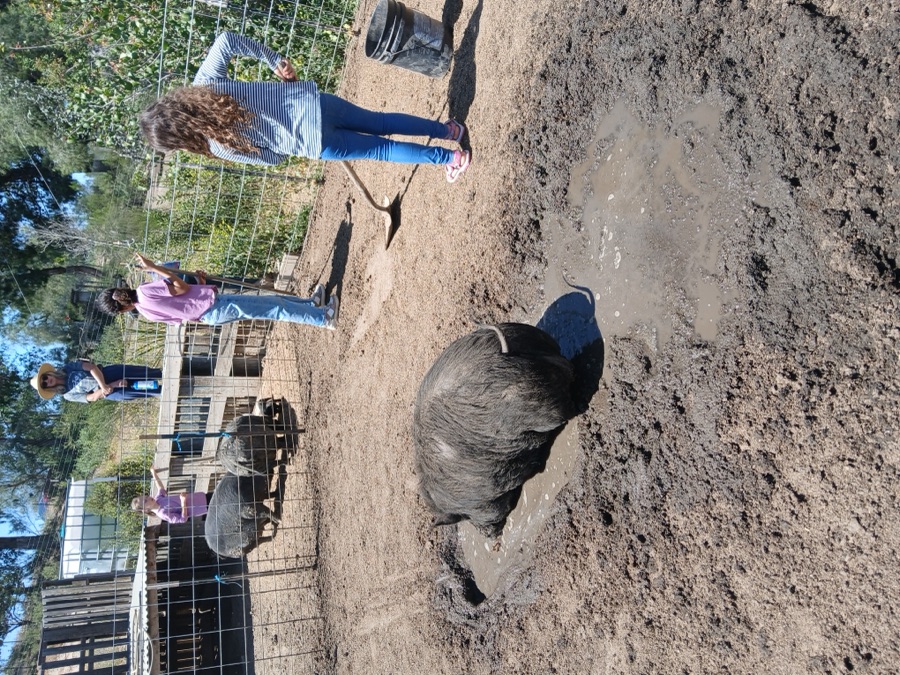
Each day begins with a randomly selected farm chore — a hands-on taste of homestead life. Kids get their hands dirty in the garden or with the animals while growing a good work ethic and a sense of personal responsibility.
Example tasks — the chore is chosen at random each day.
Every class explores a different homestead or life-skill topic through hands-on learning. Right after chores, students hear a short picture book tied to that month’s theme.

Students share what they’ve been learning at home in a 2–5 minute presentation — narration, poster, essay, or artwork. It builds public speaking, communication, and listening skills.