An old-fashioned fermentation method for naturally fizzy, gut-healthy homemade sodas — no commercial yeast or artificial carbonation required.
There’s something incredibly satisfying about turning a few simple ingredients into a naturally fizzy, probiotic-rich drink. A ginger bug is one of the easiest ways to make homemade sodas without commercial yeast or artificial carbonation. It’s an old-fashioned fermentation method that creates delicious, bubbly beverages while introducing beneficial bacteria and yeasts that support a healthy gut.
“Even my picky kids can get behind this tasty (and unknowingly healthy) drink!”
Whether you’re looking for a healthier alternative to soda or enjoy learning traditional food skills, a ginger bug is a fun project anyone can make.
What Is a Ginger Bug?
A ginger bug is a fermented culture made from fresh ginger, sugar, and water. Over several days, naturally occurring wild yeasts and beneficial bacteria found on the ginger begin to multiply. Once active, the ginger bug can be used as a starter culture to ferment fruit juices, herbal teas, lemonade, sweet tea, and other naturally sweet drinks.
The result is a lightly carbonated beverage with a refreshing tang and far less sugar than when you started. If you like store-bought kombucha, this is very similar with less of that tangy taste.
How to Make a Ginger Bug
Ingredients
½ cup filtered water (well water works, but chlorine in tap water can kill the natural yeast needed for a successful ginger bug)
1 tablespoon chopped fresh organic ginger (leave the skin on if it’s clean)
1 tablespoon sugar
Daily Feeding
1 tablespoon chopped ginger
1 tablespoon sugar
Instructions
1
Combine. Combine the water, ginger, and sugar in a clean glass jar.
2
Stir. Stir well until the sugar dissolves.
3
Cover. Cover the jar with a cheesecloth secured with a rubber band so air can circulate while keeping insects out.
4
Store. Keep the jar at room temperature, away from direct sunlight.
5
Feed daily. Feed it daily with 1 tablespoon chopped ginger and 1 tablespoon sugar, stirring each time.
6
Watch for activity. After about 3–7 days, you should notice bubbles, a pleasant yeasty aroma, and gentle fizz when stirred. Your ginger bug is now active and ready to use.
How to Make a Probiotic Drink
You’ll need:
32 oz of cooled sweet tea, fruit juice, or homemade lemonade (homemade lemonade is our personal favorite!)
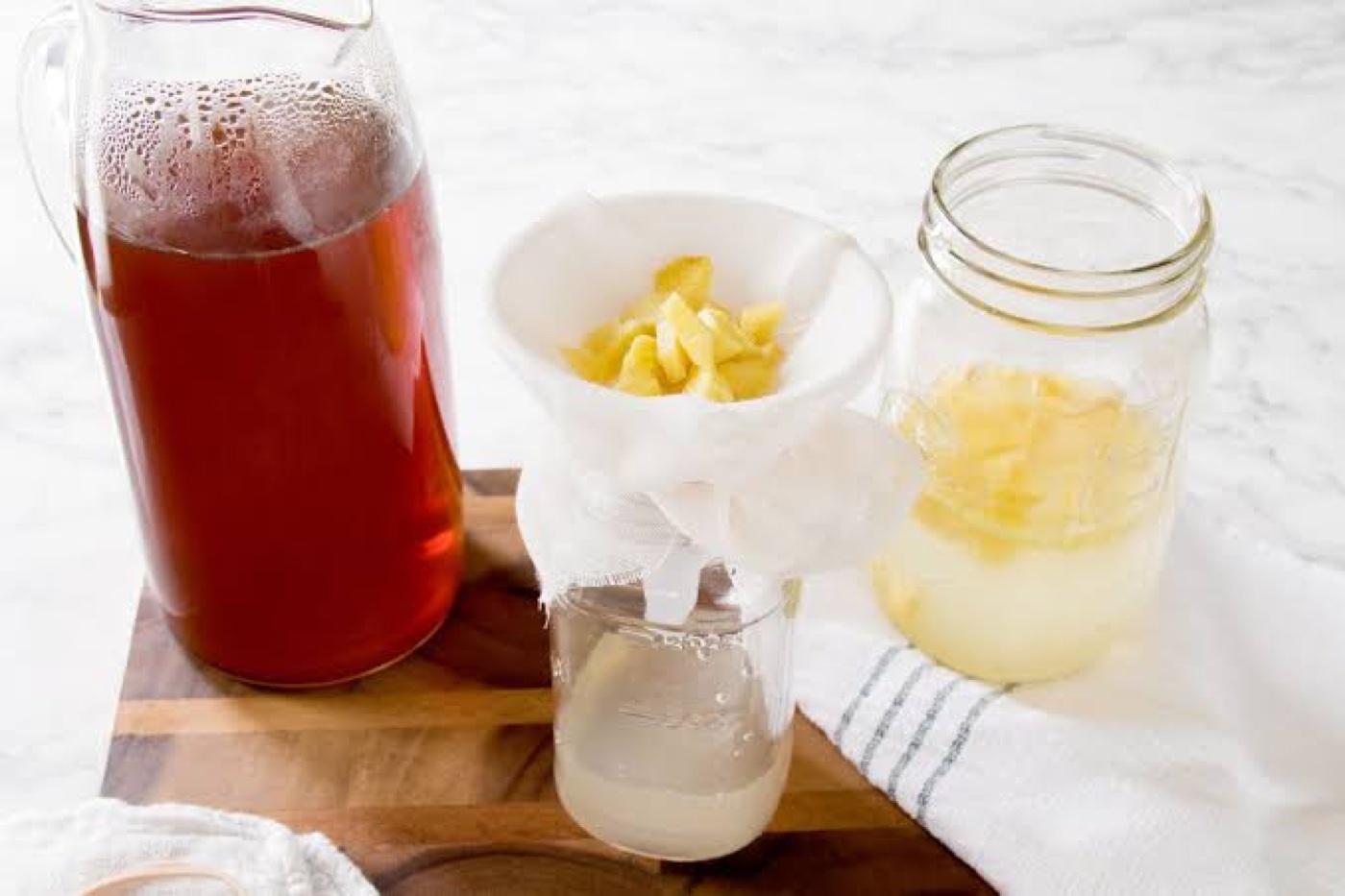
¼ cup active ginger bug (ginger chunks strained out)
A swing-top bottle or fermentation-safe bottle
A funnel (to avoid a mess)
Pour the drink into the bottle using the funnel, add the ginger bug, leaving at least an inch of headspace. Seal the bottle, tilt to stir evenly, and let it ferment at room temperature.
Daily “Burping”
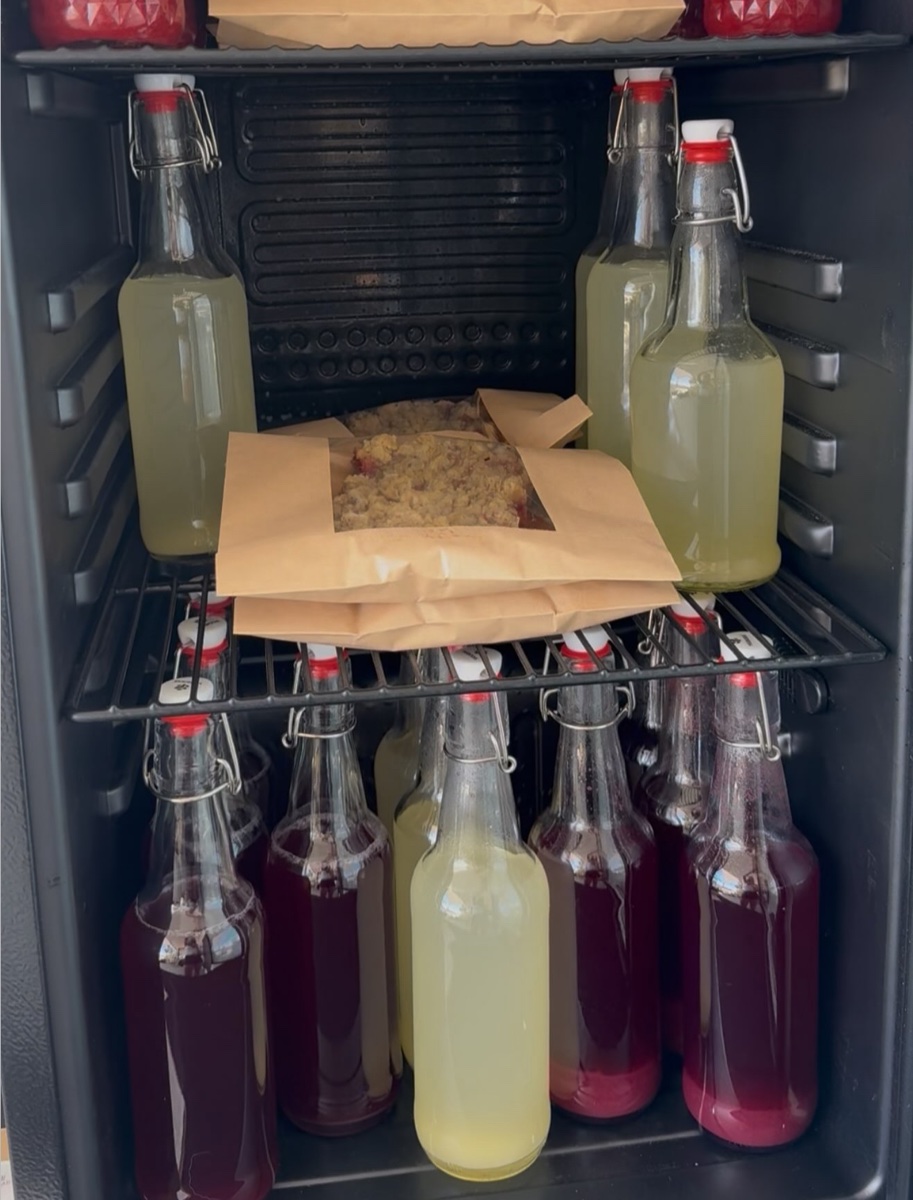
Carefully open the swing-top bottle each day to allow excess carbonation to escape. After 3–5 days this may need to be done very slowly and incrementally. I once missed burping a bottle and have a hole in my ceiling to remember this messy mistake by — it won’t happen again, and it doesn’t need to happen to you! Always open bottles carefully, as pressure can build quickly. Once it’s bubbly to your liking, refrigerate to slow fermentation.
Beverage Choice
You can get creative with your beverage choices, but any beverage requires real sugar — artificial sweeteners will not work. The naturally occurring yeast needs real sugar to feed, multiply, and create the carbonation we’re working for.
After You Make a Drink
After using your ginger bug culture to make a beverage, replace that ¼ cup of liquid with water, feed it, and allow 3–5 days before making your next beverage.
Helpful Tips
Always use clean equipment.
If you’re not on well water like we are, filtered water works best — chlorine can slow or even prevent fermentation entirely.
Organic ginger is ideal since it retains more natural microorganisms.
Refrigerate finished drinks and enjoy them within one to two weeks.
Frequently Asked Questions
Is there alcohol in ginger bug drinks?
Natural fermentation can produce tiny amounts of alcohol, but homemade probiotic sodas are generally considered non-alcoholic, typically containing less than 0.5% alcohol when fermented for a short time — comparable to eating a very ripe fruit. All of our children regularly enjoy our probiotic drinks.
Are the probiotics the same as yogurt?
No. Ginger bug drinks contain different strains of naturally occurring bacteria and yeasts. While they can contribute beneficial microbes, they aren’t identical to cultured dairy products.
Can I reduce the sugar?
Don’t let the initial sugar content scare you. The sugar feeds the microorganisms during fermentation, and much of it is consumed as the drink ferments — but starting with too little sugar may prevent proper carbonation.
What do I do with the ginger chunks as they accumulate?
Periodically spoon out some of the ginger chunks if you maintain your ginger bug culture long term. Adding a tablespoon of water every few days also helps offset evaporation or slowly grow your ginger bug.
Final Thoughts
Making ginger bug drinks is an enjoyable way to connect with traditional food preservation while creating delicious beverages your family can enjoy. Once your ginger bug is established, it can be maintained indefinitely with regular feedings, giving you an endless supply of naturally sparkling drinks.
Experiment with seasonal fruits, herbs, and teas to create unique flavors, and don’t be afraid to get creative — every batch is a little different, and that’s part of the fun of fermentation.